Stay Ahead with Expert-Led Insights

Navigating Complexity. Driving Progress. Creating Lasting Impact.

Welcome to the TeKnowledge Insights hub! Here, you’ll find a blend of strategic perspectives, real-world case studies, and expert analysis designed to empower organizations to navigate challenges and seize new opportunities.

Explore the insights that matter most. Stay informed, gain new perspectives, and discover how businesses worldwide are unlocking new opportunities with TeKnowledge.

Stay Ahead with Expert-Led Insights

Navigating Complexity. Driving Progress. Creating Lasting Impact.

Welcome to the TeKnowledge Insights hub! Here, you’ll find a blend of strategic perspectives, real-world case studies, and expert analysis designed to empower organizations to navigate challenges and seize new opportunities.

Explore the insights that matter most. Stay informed, gain new perspectives, and discover how businesses worldwide are unlocking new opportunities with TeKnowledge.

All Categories

The latest developments, strategic partnerships and milestones.

web summit

Advancing Qatar National Vision 2030: TeKnowledge Brings Enterprise Ready Agentic AI to Web Summit Qatar

Doha, Qatar – February 1st, 2026TeKnowledge, a global expert technology services company specializing in helping organizations become AI First, will join Microsoft at Web Summit Qatar to demonstrate how enterprises can move from AI experimentation to execution—safely, swiftly, and at scale.

The company will showcase Agentic AI adoption services and across a variety of sectors, including government, healthcare, banking and financial services and telecommunications , illustrating how companies and countries can navigate the complexities of becoming AI First by managing the full lifecycle—from data and security to adoption, skilling, and ongoing support —while augmenting staff and optimizing business processes with AI agents.

These solutions highlight how executives can improve operational productivity, elevate customer experience, and accelerate business performance. ‘Qatar is shaping one of the world’s most ambitious digital economies,’ said Rania El Khoury, Country Manager – TeKnowledge. ‘Our commitment is to help every organization in the country translate that ambition into measurable outcomes, building AI capabilities that strengthen competitiveness today and create new opportunities for tomorrow.’

Agentic AI Use Cases Powering National Impact

Across the public sector in Qatar, TeKnowledge is supporting a relentless drive for greater impact through real‑world Agentic AI adoption and deployments. Current initiatives include:

  • A unified Copilot interface streamlining workflows for thousands of healthcare employees
  • An AI‑driven analyzer interpreting nationwide community feedback to inform policy and service design
  • An Intelligent Procurement Assistant delivering fast, transparent, data‑driven purchasing decisions across government entities

These innovations reflect a public sector already moving beyond experimentation into meaningful, measurable transformation.

Additionally, the company has recently driven exceptional Microsoft Copilot adoption across government entities in Qatar, engaging more than 9,000 active users. In total, users executed over 1.7 million Copilot-powered actions, delivering productivity gains equivalent to more than 240,000 work hours saved. The impact is evident across core functions, with HR support time reduced by 84%, financial reporting accelerated by 66%, and infrastructure monitoring time cut by 87%. With more than 15,000 professionals trained in phase one and now actively championing adoption, the program is expanding into phase two to include 17 additional government and semi-government entities—cementing a scalable, proven blueprint for national-level digital excellence.

Accelerating National Transformation with Agentic AI

At Web Summit Qatar, TeKnowledge is demonstrating how Agentic AI can move from concept to impact at national scale. As Qatar advances toward the ambitions of Vision 2030, the next wave of transformation will be defined by intelligent agents that automate work, enhance decision‑making, and unlock new levels of efficiency across every sector.

‘It’s not enough to implement technology; people have to use it effectively,’ said Rania, TeKnowledge. ‘We are helping clients go from concept to working AI agents in weeks, not months, embedding governance, speed, and scale from the start. Our program ensures successful, lasting adoption through proven change‑management methodology and relevant use case deployments, which is how we successfully scaled Copilot for thousands of users.’

About TeKnowledge

TeKnowledge is a trusted expert technology services company that partners with companies and countries to navigate the complexities of becoming AI-First, managing the full lifecycle from data to security, adoption, and ongoing support.

Operating across 16+ global hubs, TeKnowledge delivers 24/7 operations through more than 4,000 experts. Founded in 2010, TeKnowledge is part of the YNV Group, a privately held global holding company.

Strengthening Cybersecurity Talent in Kuwait: TeKnowledge and METCO Empower the Next Generation

TeKnowledge, in partnership with METCO, is proud to collaborate with Kuwait Technical College (KTech) on a groundbreaking initiative designed to equip students with real-world cybersecurity skills.

The KTech Cybersecurity Training Initiative reflects a shared vision—to nurture homegrown talent and strengthen Kuwait’s long-term digital resilience. This program brought together over 300 learners across two groups: Grade 12 school students preparing for university, and university students specializing in Cybersecurity.

Building Skills Through Immersive Learning

The program delivered a comprehensive learning journey that blended foundational theory with practical experience. Through a combination of workshops, competitive simulations, and real-world scenarios, students developed both the critical understanding and hands-on capabilities required in modern cybersecurity.

School participants were introduced to key principles of penetration testing and guided through practical exercises that brought core cybersecurity concepts to life. Meanwhile, university students engaged in advanced training that explored the full Cyber Kill Chain and complex attack-defense strategies, bridging the gap between academic study and industry practices.

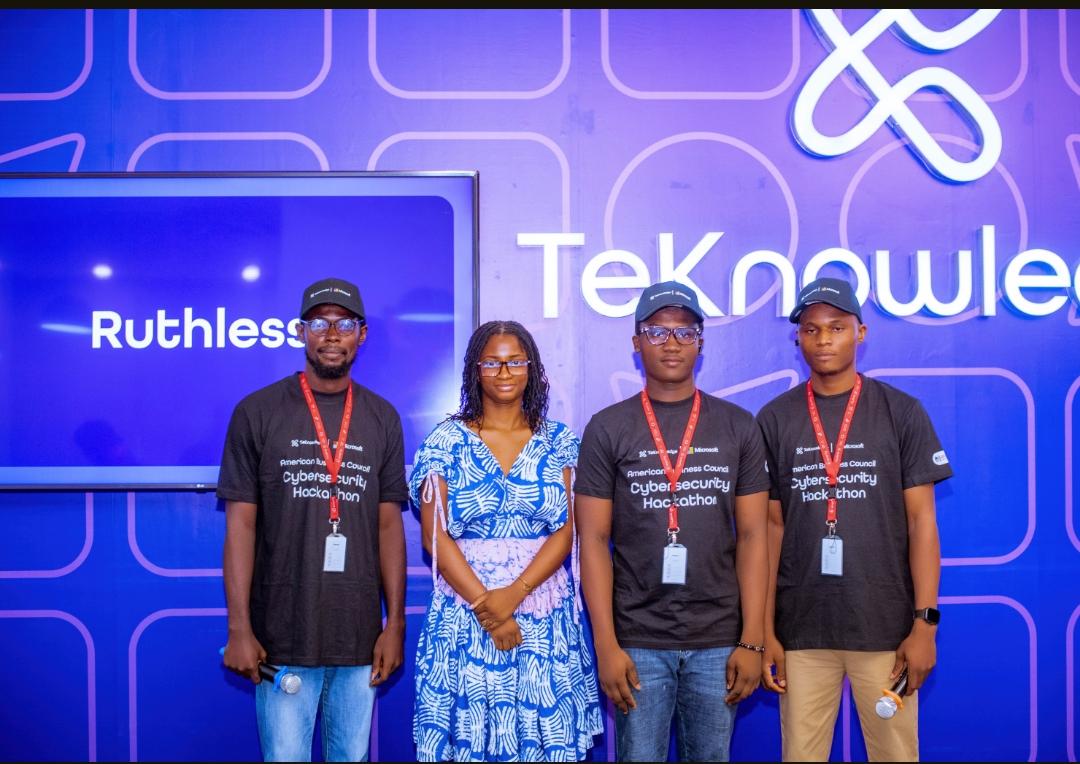
The learning experience culminated in an immersive Cyberthon, where participants worked in teams to respond to simulated cyberattacks in real time. This capstone activity tested not only their technical proficiency but also their collaboration, problem-solving, and resilience under pressure—key attributes for future cybersecurity professionals.


Impact and Outcomes

The initiative effectively bridged the gap between theoretical learning and real-world application, empowering students with the confidence and technical depth needed to thrive in the cybersecurity field. Participants gained valuable hands-on experience in penetration testing, advanced methodologies, and defensive strategies, translating classroom concepts into practical expertise.

The strong engagement across all program activities, from interactive workshops to competitive Cyberthon challenges, reflected the enthusiasm and commitment of both students and instructors. As a result, graduates emerged with enhanced skills, deeper industry readiness, and a clearer pathway toward future academic and professional success.

We’re honored to support KTech and METCO in shaping the next generation of cybersecurity professionals. Programs like this not only expand technical expertise but also advance the region’s digital future—one skilled learner at a time.

A heartfelt thank you to our partners and the students who made this initiative a success. Together, we’re strengthening cybersecurity talent in Kuwait and empowering the innovators who will safeguard its digital tomorrow.

Data Privacy Week

Data Privacy Week: Businesses Should Pay Attention to Rise of Post‑quantum Cryptography

As digital adoption accelerates across emerging markets, data privacy has become a cornerstone of business resilience and trust. To unpack why it remains so vital in 2026, we spoke with Eric Schifflers, Chief Information Security Officer at YNV Group.

Eric shares how privacy has evolved from a compliance task to a strategic priority—and why organizations must keep adapting as AI, cloud, and new cyber risks reshape the global data landscape.


Why is Data Privacy Week still highly relevant in 2026, especially for businesses operating in emerging and complex digital markets like Africa?

Data Privacy Week remains highly relevant in 2026 because the volume, speed, and value of personal data have only increased—especially in markets like Africa, where digital adoption is accelerating faster than regulatory and institutional maturity. The Data Privacy Week creates a shared focal point for raising awareness, reinforcing internal policies, and engaging customers, partners, and regulators on how data is collected, processed, and protected.


From your perspective as a global CISO, how has the conversation around data privacy evolved over the last few years from compliance to business resilience?

Up until a few years ago, data privacy was often treated as a legal or compliance function, focusing on policy documentation, simply satisfying requirements, and passing audits. Today, boards and executives around the world increasingly see data privacy as a strategic risk. Data breaches, regulatory fines, and reputational damage have made it clear that poor privacy practices can directly impact revenue, customer trust, and operational continuity. This evolution has led organizations to integrate privacy into incident response, third‑party risk management, and cyber‑resilience planning.


What are the most common mistakes organizations still make when it comes to handling customer and employee data?

One of the most common mistakes organizations make is treating data protection as a purely technical or process‑driven exercise, while underestimating the human element. They tend to invest heavily in encryption, access controls, and automated workflows, but fail to embed data privacy and security awareness into everyday behaviour across the workforce. Another frequent mistake is treating privacy as a one‑time activity or project rather than an ongoing discipline. Organizations conduct initial training, create policies, and run awareness campaigns, but then fail to reinforce those messages or adapt them to new threats, technologies, or business models. This leads to gaps in understanding, especially when new tools such as GenAI apps are introduced without clear privacy guidance.


How should businesses be thinking about data ownership and responsibility in an era of cloud computing, AI, and cross-border data flows?

In an era of cloud computing and AI, businesses must move away from thinking of data as a by‑product and instead treat it as a strategic asset with clearly defined ownership and responsibility. The key is to anchor this mindset in strong data governance, data classification and labelling, and explicit data‑ownership responsibilities. Additionally, Data Classification and Labelling are essential to ensure that appropriate controls are applied as needed. Not all data is created equal, and some datasets are highly sensitive (such as PII, health, or financial information) while others are less critical. By classifying data at the source and applying clear labels, businesses can automate access controls, encryption, retention policies, and monitoring, especially when data moves across borders or is used to train AI models.


What role does leadership play in embedding responsible data handling practices across an organization and not just within IT teams?

Leadership plays a decisive role in embedding responsible data handling practices across an organization because tone and behaviour at the top shape culture far more than any policy or tool. When executives lead by example by handling data with care, respecting privacy, and consistently following the same rules they expect from others, they send a powerful message that data responsibility is a business‑wide priority, not just an IT or compliance issue. Responsible data handling should be framed as an enabler, not a burden. Leaders can do this by clearly linking data practices to customer trust, brand reputation, and business resilience. When employees see that protecting data directly supports the company’s ability to innovate, comply with regulations, and retain customers, they are more likely to view it as part of their everyday role rather than an extra hurdle.


Cyber threats are becoming more sophisticated. What are the biggest information security risks facing enterprises today?

One of the biggest information security risks organizations face are increasingly tied to where data is stored and processed, not just to perimeter defenses. Cyber threats have become more sophisticated and automated, and AI has given attackers powerful capabilities to discover and exploit weaknesses in how data is handled across environments. Many organizations operate with fragmented visibility across on‑premises systems, multiple cloud platforms, third‑party services, and collaboration tools. As a result, they may not know which systems contain customer PII, financial records, or intellectual property, or how that data moves between environments. In an AI‑driven threat landscape, attackers can quickly scan for misconfigurations, weak access controls, or unprotected data stores. If an organization cannot see where its data lives and how it is being processed, it cannot protect it effectively. That is why modern security programs must treat data‑location and data‑flow visibility as a core capability, not an afterthought.


What makes TeKnowledge’s approach to information security different from traditional managed services or advisory firms?

TeKnowledge provides expert technology services. Partnering with enterprises, governments, and tech companies to help them on their journey to become AI-first. We operate across four continents from 16 hubs, with over 4,000 experts delivering 24/7 operations to support our clients when they need us most. We are a global Microsoft partner, we deliver enterprise support worldwide, improve customer experience, while also empowering governments and financial institutions—from a leading national cyber agency in the Middle East to ministries and banks across LATAM and in Africa , we are partners to some of Nigeria’s leading financial institutions in skilling their digital workforce, increasing their tech talent pool and providing end-to-end support from strategy to deployment and ongoing optimisation in their AI-first vision. Unlike traditional managed services or advisory firms, our model integrates deep engineering capability, global scalability, and trusted partnerships with a human-centric approach that enables people within organisations to adopt a positive behavioral change towards data protection.


With regulations like NDPR, GDPR, and other global frameworks, how should organizations approach compliance without treating it as a box-ticking exercise?

Organizations should treat data‑protection regulations like NDPR and GDPR, not as isolated compliance tasks, but as a continuous risk‑management and business‑enablement journey. In our case, achieving ISO/IEC 27701 certification has been central to that approach: it provides a structured, auditable framework that aligns with GDPR and NDPR requirements while embedding privacy into our processes, not just our documentation. By adopting ISO 27701, we’ve turned compliance into an operational discipline. It forces us to map data flows, define lawful bases, implement privacy‑by‑design, and maintain robust records of processing activities—core requirements that regulators look for.


If there’s one mindset shift you would encourage organizations to adopt this Data Privacy Week, what would it be?

If there’s one mindset shift, I would encourage organizations to adopt it is this: “never settle”. Information security and data privacy are not static checkpoints; they are continuous disciplines that must evolve alongside the threat landscape and the regulatory environment. Organizations should move away from thinking in terms of “we are compliant” or “we passed the audit” and instead adopt a posture of constant improvement. New technologies, new attack techniques, and new regulations will keep emerging, and yesterday’s controls may not be sufficient tomorrow. This means regularly reassessing risks, updating policies, refreshing training, and testing incident‑response capabilities. By embracing a mindset of continuous adaptation, organizations position themselves not just to meet today’s requirements, but to anticipate tomorrow’s challenges.


Looking to the future, what emerging trends in cybersecurity and data protection should businesses be paying attention to now?

One of the most critical emerging trends businesses should be paying attention to is the rise of Post‑quantum cryptography (PQC). As quantum computing advances, traditional encryption algorithms that currently protect most of today’s data could eventually be broken, exposing sensitive information that is intercepted or stored today. Organizations need to start thinking about this now, even if large‑scale quantum attacks are not imminent. The risk is not only future‑facing; data that is encrypted today using current standards may still be valuable years from now, and if it is harvested now, it could be decrypted later once quantum‑resistant algorithms are broken or quantum computers mature. In short, post‑quantum cryptography is no longer a theoretical concern; it is an emerging reality that organizations must factor into their long‑term security and data‑protection strategies. Starting the conversation and the planning now will help ensure that today’s encrypted data remains protected in a future quantum‑enabled world.

AI Certs Partnership

What Our Partnership with AI CERTs® Means – Scaling AI-First Innovation Through Skills

A shared vision: AI-First and future-ready 

At TeKnowledge, our mission is helping enterprises, governments, and technology vendors become AI-First—managing the full lifecycle from data and cybersecurity to adoption and ongoing support. AI CERTs® shares this vision: equipping people and organizations with role-based AI certifications that are flexible, practical, and globally recognized.

Both organizations focus on turning potential into progress—TeKnowledge by operationalizing AI in real environments, AI CERTs by validating the skills needed to sustain that transformation. 

Why AI skilling is central to AI-First success

AI is reshaping how organizations serve customers, secure their environments, and run operations, but impact only happens when people are ready to use these capabilities. TeKnowledge’s portfolio is built around three strategic pillars—Prepare & Protect, Skill & Adopt, and Serve & Delight—making human readiness and adoption core to any AI program. 

AI CERTs adds a powerful skilling layer through role-based certifications that map directly to real job functions, from strategy and governance to implementation and operations. This makes it easier for leaders to link AI initiatives to clear competency frameworks, measurable outcomes, and recognizable credentials for their teams.  

What this partnership enables for our clients

By partnering with AI CERTs, TeKnowledge embeds structured, verifiable skilling into AI programs from day one: 

  • Role-based AI certifications: Curated paths by job role ensure training matches daily responsibilities and career milestones. 
  • AI LABS 365: AI-driven proctoring, monitoring, identity verification, and tamper-proof digital certificates for skills at scale. 
  • AI-First lifecycle integration: Strengthens TeKnowledge’s “Skill & Adopt” pillar, aligning learning with strategy, cybersecurity, data, and managed services.

This creates a closed loop where AI strategy, implementation, and workforce capabilities reinforce each other. 

Benefits Across the AI Ecosystem

Enterprises: Design AI roadmaps (Copilot, agentic AI), pair with certifications for confident, AI-literate teams. 

Governments: National digital skilling gains globally recognized credentials and secure exam infrastructure. 

Tech vendors/training partners: Scalable skilling engines for consistent AI certification delivery worldwide.

This drives measurable impact—from employability to secure, AI-ready operations. 

Looking Ahead: Continuous AI Excellence

AI is a continuous journey. TeKnowledge’s services provide strategic guidance, engineering, and support for sustained innovation.

This partnership adds a skills backbone: role-based AI certifications, AI-powered assessments, and evolving credentials—empowering organizations to stay secure, adaptive, and future-ready. 

Discover how TeKnowledge and AI CERTs can support your enterprise or national skilling initiative. 


TeKnowledge and Carahsoft Expand Partnership to Advance Digital, AI Transformation Across the U.S. Public Sector

Collaboration Expansion Accelerates Digital Modernization Support for Government Agencies

COLORADO SPRINGS, Colo., and RESTON, Va. – January 22, 2026 – TeKnowledge, a global expert technology services company specializing in AI, Customer Experience and Cybersecurity, today announced an expansion of its strategic partnership with Carahsoft Technology Corp., The Trusted Government IT Solutions Provider®. This renewed collaboration extends managed technical support services for Microsoft 365 and Microsoft Azure through Carahsoft and its reseller partners, and significantly broadens TeKnowledge’s Public Sector portfolio.

As part of this expansion, TeKnowledge will deliver new services including cloud migration, intelligent business applications and generative AI adoption tailored to Government agencies. With a mission to help Federal entities better serve citizens, TeKnowledge offers an end-to-end AI lifecycle approach—from building a secure data foundation to driving human-centric adoption and providing ongoing support.

“By expanding our partnership with TeKnowledge, agencies gain seamless access to technical expertise for AI, CX and cloud solutions,” said Cortney Steiner, Vice President of Sales, supporting the Microsoft Team at Carahsoft. “It enables agencies to modernize efficiently, leverage intelligent tools responsibly and achieve measurable outcomes faster. Carahsoft and our reseller partners look forward to strengthening this partnership with TeKnowledge to support digital transformation across the Public Sector.”

Through this collaboration, Carahsoft’s Public Sector reach and contracting expertise combined with TeKnowledge’s technical delivery and AI-driven enablement capabilities, Government agencies can seamlessly access and implement modern solutions including:

  • Reliable technology expertise, allowing agencies to quickly resolve issues, maintain secure and stable operations and ensure systems run smoothly while supporting modernization and efficiency goals.
  • Enhanced workforce productivity and readiness through AI adoption programs, empowering agencies to use intelligent tools effectively, securely and responsibly in daily operations.
  • Improved citizen and customer experiences through proactive support, faster issue resolution and intelligent automation to streamline service delivery across departments.
  • Strong alignment with Federal digital priorities, such as Zero Trust frameworks, cloud-first mandates and responsible AI adoption, supporting agencies to meet modernization and compliance goals with confidence.

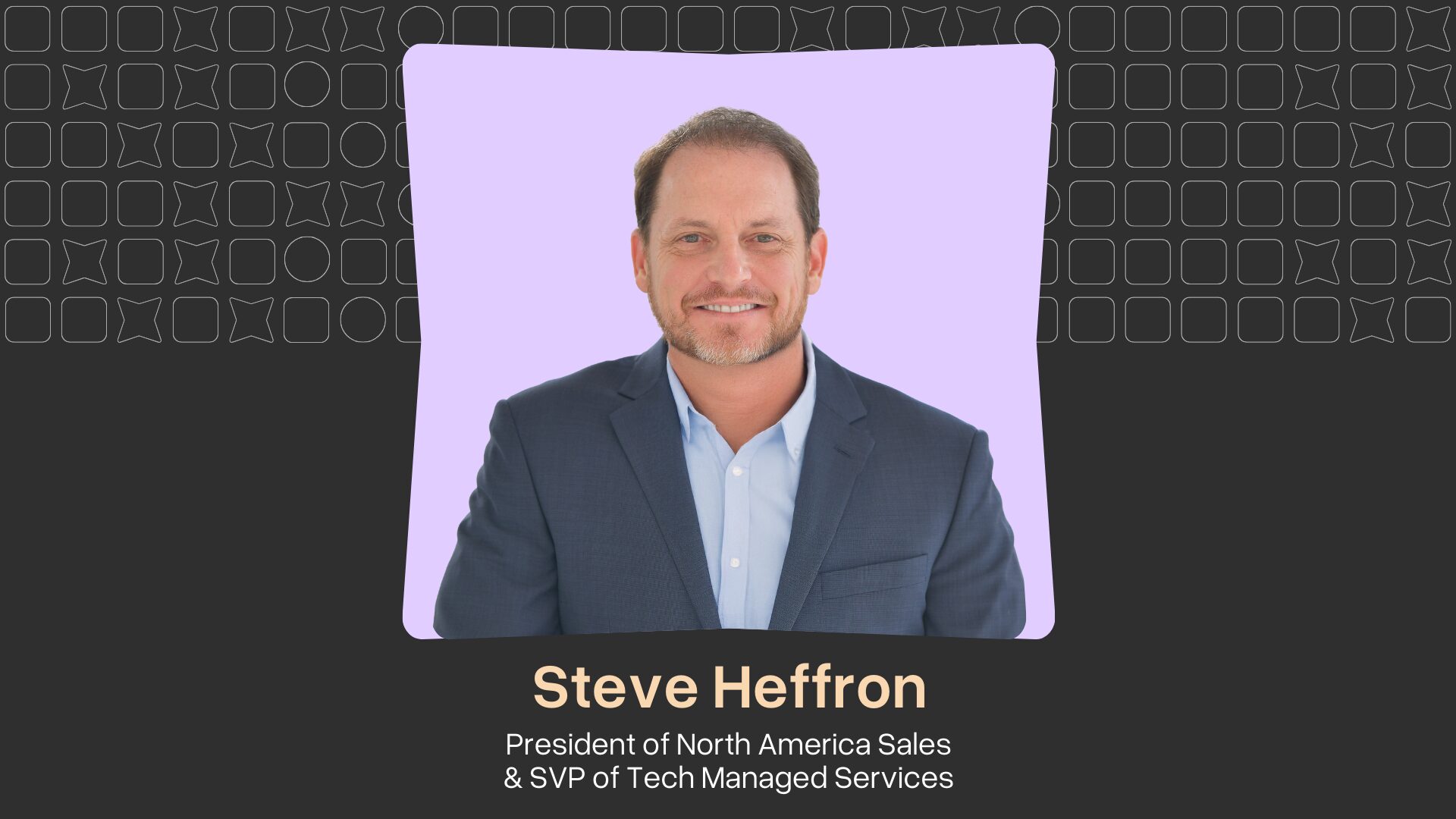
“As Government agencies navigate digital transformation, our focus is delivering measurable impact,” said Steve Heffron, SVP Managed Services & President NA Sales, TeKnowledge. “By combining our technical expertise and AI enablement capabilities with Carahsoft’s Public Sector reach, we are helping agencies move from ambition to adoption, modernizing operations and empowering teams to deliver better outcomes for citizens.”

TeKnowledge’s services and solutions for Microsoft support are available through Carahsoft and its reseller partners. For more information, contact the Carahsoft team at (844) 673-8468 or Microsoft@carahsoft.com; or explore more Microsoft solutions offered through Carahsoft here.

About TeKnowledge

TeKnowledge is a trusted expert technology services company that partners with companies and countries to navigate the complexities of becoming AI-First, managing the full lifecycle from data to security, adoption, and ongoing support.

Operating across 16+ global hubs, TeKnowledge delivers 24/7 operations through more than 4,000 experts. Founded in 2010, TeKnowledge is part of the YNV Group, a privately held global holding company operating across three sectors: Technology, Real Estate, and Financial Services, including an EU-licensed financial institution. Visit TeKnowledge.com for more information.

About Carahsoft

Carahsoft Technology Corp. is The Trusted Government IT Solutions Provider, supporting Public Sector organizations across Federal, State and Local Government agencies and Education and Healthcare markets. As the Master Government Aggregator® for our vendor partners, we deliver solutions for Cybersecurity, MultiCloud, DevSecOps, Artificial Intelligence, Customer Experience and Engagement, Open Source and more. Working with resellers, systems integrators and consultants, our sales and marketing teams provide industry leading IT products, services and training through hundreds of contract vehicles. Visit us at www.carahsoft.com.


AI Security in 2026: Predictions Every CISO Should Track

AI isn’t waiting for anyone to catch up. Attacks are happening faster while gaps in AI security coverage are harder to see. And the pressure to prove resilience is no longer just internal. Boards, regulators, and customers all want evidence that enterprises can respond in real time – even when adversaries move faster than human teams possibly can.

For CISOs, there’s little hope that 2026 will be less challenging than 2025. The opposite is more likely. AI-driven threats, skill shortages, regulatory demands and more are still ramping up. The best way to stay ahead? Look past the horizon. That’s why in this blog, we’ll break down five key trends that will shape AI security strategy in 2026 and beyond.


 5 key trends shaping AI security strategy
1. AI-powered attacks will continue scaling faster than defenses

Attackers are building AI into every step of the process – automating reconnaissance, generating payloads, and pivoting with precision. The speed and variety of these tactics already outpace most enterprise response cycles. A recent analysis shows that reported AI-enabled attacks rose by 47% globally in 2025, pushing enterprises to rethink what security readiness really requires.

In 2026, security teams will need access to early signals that something is off – before prompts become actions or automated workflows push sensitive data into the open. That will require expanded visibility across AI-connected systems and stronger oversight of how models are accessed, integrated, and monitored. Programs that continue to treat AI like any other workload will miss the full picture. The reason? AI makes decisions in ways legacy controls were never built to handle.

Keep learning: AI-Ready Security: Closing the Gap Between Innovation and Protection

 2. Regulatory pressure will demand more than compliance

2026 will bring expanded oversight for AI systems across sectors. NIS2 and other AI-focused regulations will require clear, verifiable controls around model behavior, data usage, and incident handling. Security teams will need to produce evidence of how AI systems are governed – where they’re deployed, how access is managed, and how risk is addressed in real time. According to one report, 72% of S&P 500 companies already disclosed at least one material AI risk in their filings (up from just 12% in 2023). That number will only rise.

These requirements will carry weight in 2026 as regulators prioritize logs, audit trails, and operational proof over written policies. Each model, dataset, and automation layer will fall under review. Any system that influences decisions or touches personal data will need to remain observable, traceable, and accountable by design.

Meeting this bar will take coordination. CISOs will need to work closely with compliance, privacy, and engineering teams to turn visibility into a continuous control.

Keep reading: How AI is Redefining Tech Roles and Why Investing in Your People Matters

3. SOC operations will shift toward AI-native models

Security teams are already managing more than they can reasonably handle. Alert volume keeps climbing but staffing and tooling haven’t kept pace. A recent industry survey found that organizations now face an average of 960 alerts per day. Of those, 40% go entirely uninvestigated.

In 2026, SOC operations will need to act at machine speed. Systems will be expected to detect, validate, escalate and mitigate threats – without waiting for manual intervention. That means embedding automation into investigation workflows, extending context across correlated signals, and enabling recovery actions to proceed without delay. Analysts will need to spend less time sifting alerts and more time validating what matters.

In 2026, AI will bring greater complexity into the SOC, but it will also bring more capability. Programs that adapt early will create clarity instead of facing overload.

 4. Skill shortages will expose gaps under pressure

The global cybersecurity workforce gap was expected to top 4.8 million open roles in 2025 – with over 50% of organizations reporting they lack the cybersecurity skills they need. Those numbers will hit hard in 2026, as AI-driven threats and infrastructure extend risk across every part of the enterprise.

Security teams without AI-specific expertise – model hardening, prompt-agent oversight, identity-centric automation and more – will find themselves stuck in reactive mode and struggling to keep up with threats.

You might be interested in: AI Culture Must Be Fixed Before You Scale: Lessons from Prometheus for the Age of Autonomy

But headcount may not be the answer. In 2026, organizations will increasingly rely on orchestration, AI-augmented workflows, and strategic outsourcing to compensate for staffing shortfalls. While hiring will still matter, teams will focus on response models that scale. Programs that link staffing decisions to specific outcomes – like faster containment or earlier model drift detection – will be more resilient under pressure.

5. Resilience will become a core security metric

In 2026, CISOs will focus less on building out their defenses and more on proving that their systems can hold up under pressure. A recent report found that only 36% of security leaders believe their capabilities can keep pace with AI-driven threats, while 90% say their programs aren’t mature enough to protect them. That shortfall will turn resilience into a key benchmark. Security leaders will need to show how their systems respond to stress – how they can take a hit, stay online, and recover without disruption. Resilience will need to be baked into how systems respond, recover, and report. Stakeholders will expect clear signals that those controls are already in place and working.

→ Find out our service: AI-Ready Cybersecurity!


The Bottom Line

In 2026, CISOs will face faster-moving AI-powered threats, stricter regulatory oversight, AI-native SOC operations, critical skill shortages, and rising demands for demonstrable resilience. Each of these challenges will require programs that operate with clarity, speed, and accountability across every layer of the enterprise.

Security in 2026 will reward those who adapt. Organizations that treat 2026 as an extension of 2025 will find themselves reactive, overextended, and exposed. Organizations that build visibility into AI systems, embed automation into response workflows, and prioritize resilience over static defenses – will have clarity when pressure hits and lead in the AI-powered world of tomorrow.

Not sure where to start? How about an AI Readiness Assessment from TeKnowledge that tests your defenses the way tomorrow’s attackers will?


Qatar National Day 2025: A Celebration of Unity, Innovation, and Impact

After years of calling Qatar home, I can confidently say there’s nothing quite like being here in December. This year’s National Day, themed “With You It Rises, From You It Awaits,” reflects a spirit of unity and ambition that continues to shape the country’s future. The streets are alive with flags, lights, and a shared pride that’s impossible to miss.  With the energy of the FIFA Arab World Cup 2025 in the air, the celebrations this December feel even more special, bringing together families, fans, and communities in a joyful, shared rhythm.

As we celebrate #QatarNationalDay2025, we at TeKnowledge, are proud and humbled to stand alongside the nation during this season of pride and progress. This spirit was especially evident this week as our partners at the Ministry of Communications and Information Technology (MCIT) marked a major milestone: the successful conclusion of Phase One of Qatar’s National Copilot Adoption Program. The effort shown by all nine participating government entities has been nothing short of inspiring.

From executive leadership to program champions and frontline teams, the level of engagement, commitment, and collaboration has made this journey exceptional. With a 62% adoption rate, over 9,000 active users completed 1.7 million tasks—saving more than 240,000 working hours. These numbers speak to the momentum and dedication driving this national initiative. (Full story here)

The Microsoft Copilot Adoption Program is now expanding to include 17 government and semi-government entities, with continued support from the Qatar Digital Academy. We look forward to deepening our collaboration with all stakeholders as we enter the next phase of this transformative journey. (Full story here)

This National Day, we proudly celebrate the resilience, vision, and dedication of Qatar’s entire digital ecosystem. From government entities and industry partners to engineers, educators, and learners, every contribution reflects a collective commitment to building a smarter, more inclusive future. It has been a true privilege to support this journey, and we extend our heartfelt congratulations to everyone helping drive Qatar’s digital transformation forward.

As December 18 approaches, all eyes turn to Lusail Stadium, where the echoes of FIFA still resonate and National Day 2025 promises to be a celebration like no other—a vibrant convergence of heritage, innovation, and community under one sky.

This is Qatar at its finest: a nation rising through the shared efforts of its people and welcoming all who are ready to contribute. With you it rises and from you, it awaits what comes next.

From Copilot to Autopilot: Securing Microsoft AI Deployments at Scale

Microsoft Copilot is no longer a novelty. Today, it drives productivity across some 82% of enterprises – touching documents, messages, code, operations and much more. Yet each prompt can access enterprise data, interact with identity systems, or cross compliance boundaries. This makes secure configuration the defining factor for safe and scalable AI adoption.

As a Microsoft Partner, TeKnowledge guides enterprises and government entities through every stage of their Copilot journey – from assessment and implementation to skilling, secure and efficient adoption and continuous optimization.

In relation to secure adoption, our AI-Ready Security framework applies consistent protection across Microsoft environments – including Azure, Security Copilot, Dynamics 365, Purview and more. We help organizations build controlled autonomy in which governance, data privacy, monitoring, and compliance are embedded in every AI-enabled workflow. Our guiding principle is simple: along the path from Copilot to ‘Autopilot’, security needs to stay in step with innovation.

In this blog, we’ll take a deep dive into how enterprises can move from basic Microsoft Copilot adoption to secure, autonomous AI operations. We’ll show how each step of TeKnowledge’s three-pillar frameworkAssess, Implement, and Optimize – helps organizations embed security into every stage of their Microsoft AI journey.

Keep reading: How Microsoft Copilot for Security Is Redefining Cyber Defense with AI

The Three-Stage Framework for Securing Microsoft Copilot
Stage 1 – Secure Foundations for Copilot

According to the 2025 Cisco Cybersecurity Readiness Index, 60% of IT teams say they lack visibility into the prompts or requests made by AI tools within their environments. Without transparency, governance and compliance can only be reactive – meaning that organizations cannot detect and contain risks before they escalate.

That’s why visibility should be the first safeguard addressed in any Copilot rollout. Without it, AI can operate inside blind zones that no policy or firewall can reach. Enterprises need a complete view of how data moves across Microsoft environments, how identities connect through Entra ID, and where sensitive information resides. That clarity is often missing once adoption accelerates. Teams start experimenting, and new integrations appear faster than governance frameworks can adjust. This is how Shadow AI takes root – unapproved tools connect to corporate systems, exposing content or credentials outside formal oversight.

TeKnowledge’s Assess phase focuses on detecting those connections early – turning Copilot deployment from a series of isolated tests into a controlled, measurable program. Through AI Readiness Assessments and Copilot Security Reviews, teams gain a clear map of users, permissions, and data exposure. The process includes checks across Entra ID, Purview, and Defender to verify that classification, DLP, and conditional access are properly enforced. These assessments replace assumptions with evidence, and help project leaders define the right Copilot scope and governance model before rolling out automation.

Keep learning: AI-Ready Security: Closing the Gap Between Innovation and Protection

Stage 2 – Building Secure-by-Design Workflows

Once visibility is achieved, security has to become part of how systems function. Copilot operates across Microsoft 365, Azure, and connected applications, which means every interaction must be verified. Security cannot operate outside the workflow. It needs to be part of how identity, access, and automation are defined and managed from the start.

Yet since only 33% of organizations have implemented least-privilege access as part of their Zero Trust programs – many environments we encounter are secure in theory but inconsistent in practice.

That’s why our Implement phase closes the gap – turning Zero Trust principles into operational reality. We work with teams to harden Azure resources, refine permissions, and align governance with standards like ISO 27001 and SOC 2 Type II. Security Copilot is configured with strict access tiers and prompt controls, while telemetry flows into Microsoft Sentinel to maintain ongoing oversight. This approach creates an environment where Copilot can operate securely, with compliance and accountability built in.

Stage 3 – From Assisted to Autonomous

As organizations grow more comfortable with Copilot, the next step is automation. What began as AI-assisted work inside Word, Excel, Sentinel or elsewhere can evolve into connected workflows that act across multiple systems. While this shift can deliver efficiency and speed, it can also dramatically increase the downstream impact of any configuration error or unchecked privilege.

In our Optimize phase, TeKnowledge helps enterprises manage this transition by shifting the focus from setup to supervision. We monitor how AI interacts with data and infrastructure, track every action through audit trails, and run AI-specific training to strengthen awareness across technical and operational teams. We also tune governance frameworks and response models so automation stays within approved limits. The result is continuous visibility into AI-driven processes, faster identification of anomalies, and predictable performance across environments.

Related content: Which Trust Is the Real Gatekeeper to Autonomous AI

Continuous Compliance and Oversight

The evolution from AI assistance with Copilot (where humans guide the system) to AI-driven automation (where workflows execute independently or with minimal oversight) introduces a new level of regulatory complexity, too.

As AI systems operate across environments, the data they handle and the decisions they automate expand the scope of regulatory responsibility. Each integration, update, and model output becomes part of a chain that needs documentation, validation, and control.

We address this through continuous compliance management that keeps governance aligned with how AI evolves. Frameworks such as ISO 27001, SOC 2 Type II, and the emerging ISO/IEC 42001 standard for AI governance set the baseline for transparency and accountability. We integrate these standards into Microsoft environments so that policy, reporting, and enforcement remain synchronized as automation grows.

Every Copilot action, workflow, and data exchange is logged and validated through Microsoft Sentinel and Purview. This ensures full traceability across systems and turns compliance into an ongoing, verifiable process.

Confidence at Enterprise Scale

The move from Copilot to ‘Autopilot’ depends on structure and discipline. Systems need built-in control, clear accountability, and continuous oversight. When governance, monitoring, and access management work in unison, AI can be safely expanded across the enterprise.

TeKnowledge guides this evolution through a connected framework in which each stage deepens visibility, strengthens compliance, and keeps processes within verified boundaries.

Enterprises that build in visibility, Zero Trust design, continuous monitoring, and active governance can make AI reliable at scale – and determine whether automation creates value or risk.

Ready to secure your Microsoft AI environment with confidence?

Start with an AI-Readiness Security Assessment from TeKnowledge today!

Commanding the Future: Building Autonomous AI Readiness for 2026

How transformation leaders are designing intelligent systems that earn trust, deliver measurable impact, and evolve responsibly


AI Autonomy as the future

At TeKnowledge, we view AI autonomy as the defining shift in how intelligent systems create value, not in theory, but in practice. Across industries, autonomous AI is already transforming operations, from supply chains to cybersecurity. In logistics, some of the industry leaders are deploying AI-driven routing systems that autonomously optimize delivery paths in real time, reducing delays and emissions while improving customer experience. In financial services, global financial institutions use self-learning fraud detection models that analyse billions of transactions daily, flagging anomalies in milliseconds, decisions made faster than human teams could respond. In cybersecurity, Microsoft’s Copilot for Security is embedding AI autonomy directly into defense operations, enabling systems to anticipate and neutralize threats before they escalate.

This is the essence of AI autonomy systems that not only sense and analyse, but decide and act, continuously learning while staying aligned with human intent, ethical guardrails, and governance frameworks. It’s not about replacing people; it’s about elevating human capability and enabling organizations to operate with speed, precision, and trust at scale. For leaders ready to command the future, autonomy isn’t a vision, it’s an operational reality for 2026.

The Era of Autonomous Decision-Making

Transformation leaders are now focused on building adaptive data and technology architectures, governance by design, and scalable trust, the foundations that ensure autonomy creates value without compromising control.

At TeKnowledge, we’ve spent the past year engaging with CIOs, operations executives, data strategists, and CISO’s across industries. Their collective message is clear: AI autonomy is no longer a concept it’s an operational imperative. The real question isn’t “Can it work?” but “How do we build it to be trusted, impactful, and accountable as it evolves?”

Designing for Intelligent, Autonomous Action

In 2026, leaders will architect systems that activate data with speed, security, and scale. AI-native infrastructure will shift from innovation to expectation. The traditional data warehouse model will give way to distributed, real-time ecosystems enabling data to flow freely and empower instant, intelligent decisions.

Intelligent systems like Microsoft Copilot will be integrated across the enterprise ecosystem which includes directly into operations, compliance, and governance. Security will become anticipatory, not reactive. These tools will help organizations evolve from defense to resilience, embedding AI into the very core of risk management.

Doubling Down on Trust and Confidence in Autonomy

Autonomy doesn’t scale on code alone it scales on trust. By 2026, that trust will no longer be philosophical; it will be engineered into how AI operates day to day. Organizations that succeed won’t just deploy AI models they’ll design transparent, governable, and auditable systems that earn confidence with every decision they make.

Investments in ModelOps, data lineage, and bias mitigation will transform oversight into assurance and turn governance from a compliance burden into a strategic advantage. Think of ModelOps as the governance and quality control layer for deployed AI. Data Linage as the “digital audit trail” for every dataset that feeds your AI. Bias Mitigation as a key part of building trustworthy and ethical AI.

Many enterprises will begin with co-pilot frameworks, where AI assists and humans decide. This phased approach builds fluency, strengthens accountability, and helps teams align around outcomes they can trust. Governance will help earn the most valuable currency in business and technology: trust.

2026: The Year for Scale

With trust established, 2026 will be the year autonomous AI moves from pilots to production. Predictive maintenance, instant fraud detection, and real-time pricing will show how autonomy delivers measurable business value.

The differentiator won’t be technology it will be execution discipline. Successful leaders will target high impact use cases, align them to strategy, and scale with governance and continuity. Autonomy will become part of the business fabric, driving efficiency, resilience, and growth.

What’s Next: Signals from the Horizon

Autonomy is evolving from ambition to enterprise foundation. The next wave from quantum-enhanced models to reasoning-based AI will demand tighter alignment between architecture, ethics, and execution.

As intelligence matures, neuro-symbolic AI will bridge data-driven learning with logic based reasoning, paving the way toward more explainable and trustworthy systems. Coupled with advances in  quantum computing these are critical steps on the journey toward Artificial General Intelligence (AGI).

Leaders will shift from being data-aware to data-active, embedding intelligence into daily workflows and governing it with precision. The principles of trust, accountability, and measurable impact will remain, but their application will grow smarter, faster, and more adaptive.

Secret Link